For many safety-net clinics and community-based practices, behavioral health documentation can feel like a constant balancing act. Providers juggle high patient volumes, complex presentations, and evolving regulatory requirements, all while trying to ensure notes are clear, complete, and defendable. Missing or inconsistent documentation can lead to audit findings, claim denials, or gaps in care—risks that no clinic wants to face.
High-quality behavioral health documentation is more than a record of care—it’s a tool that supports clinical decision-making, coding accuracy, compliance, and audit readiness. After exploring topics from Seasonal Affective Disorder to medication management and risk assessment, it’s time to synthesize best practices into a practical, defendable approach.
Audits and chart reviews reveal consistent patterns among practices that maintain strong documentation:
- Clear clinical reasoning: Each note explains the provider’s assessment, rationale, and next steps.
- Active management: Treatment plans, medication changes, and follow-up decisions are documented, not implied.
- Risk and monitoring details: Side effects, patient response, and potential complications are addressed.
- Linkage to coding and billing: Diagnoses, MDM, and interventions are clearly supported in the note.
These elements reinforce that behavioral health documentation is both clinically meaningful and defendable.
To make documentation more consistent and audit-ready, consider the following:
- Assessment: Document symptoms, severity, and functional impact.
- Diagnosis: Clearly distinguish between episodic, chronic, or seasonal presentations.
- Plan: Include medication management, therapy recommendations, monitoring, and follow-up.
- Risk & MDM: Highlight potential complications, safety considerations, and decision-making complexity.
- Patient engagement: Note education, consent, and shared decision making.
- Review & update: Ensure problem lists, medication lists, and care plans are current.
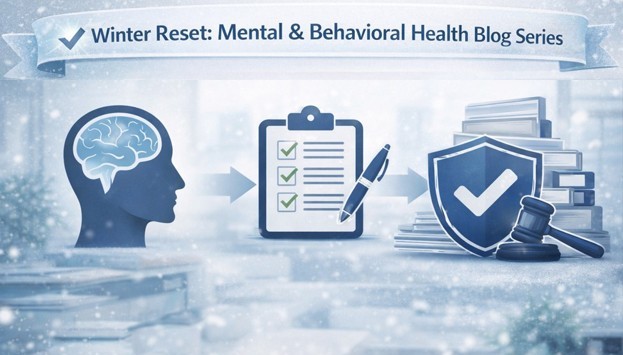
Using a checklist approach ensures completeness and consistency, especially for practices managing high patient volumes.
When documentation is thorough and structured, audits become less stressful. Auditors look for evidence that care was clinically necessary, actively managed, and clearly communicated. By following these patterns and checklist items, practices demonstrate professionalism, compliance, and accountability—reducing the risk of denials or findings.
Building defendable behavioral health documentation isn’t just about meeting requirements—it’s about supporting high-quality patient care and giving your team confidence in every note. For clinics looking to strengthen their documentation processes, BCA’s audit, education, and consulting services provide tailored guidance and practical tools to make every chart audit-ready. Let us help your team transform documentation from a compliance task into a strategic asset.
Schedule a consultation with one of our experts.