Healthcare organizations today are operating in an environment where the margin for error continues to shrink. Denials tied to documentation gaps are increasing, payer audits are more aggressive, and regulatory requirements are becoming more complex and frequent. At the same time, many organizations are working with constrained staffing, growing patient volumes, and clinicians who are expected to document more detail in less time. The result is a predictable pressure point: variability in documentation and coding that can quietly erode both compliance integrity and financial performance.
In this landscape, coding and documentation can no longer be treated as isolated administrative functions. They are now central to organizational resilience, directly impacting clinical communication, reimbursement accuracy, and long-term sustainability. Moving beyond a compliance-only mindset toward a sustainable coding culture is no longer optional—it is a strategic necessity.
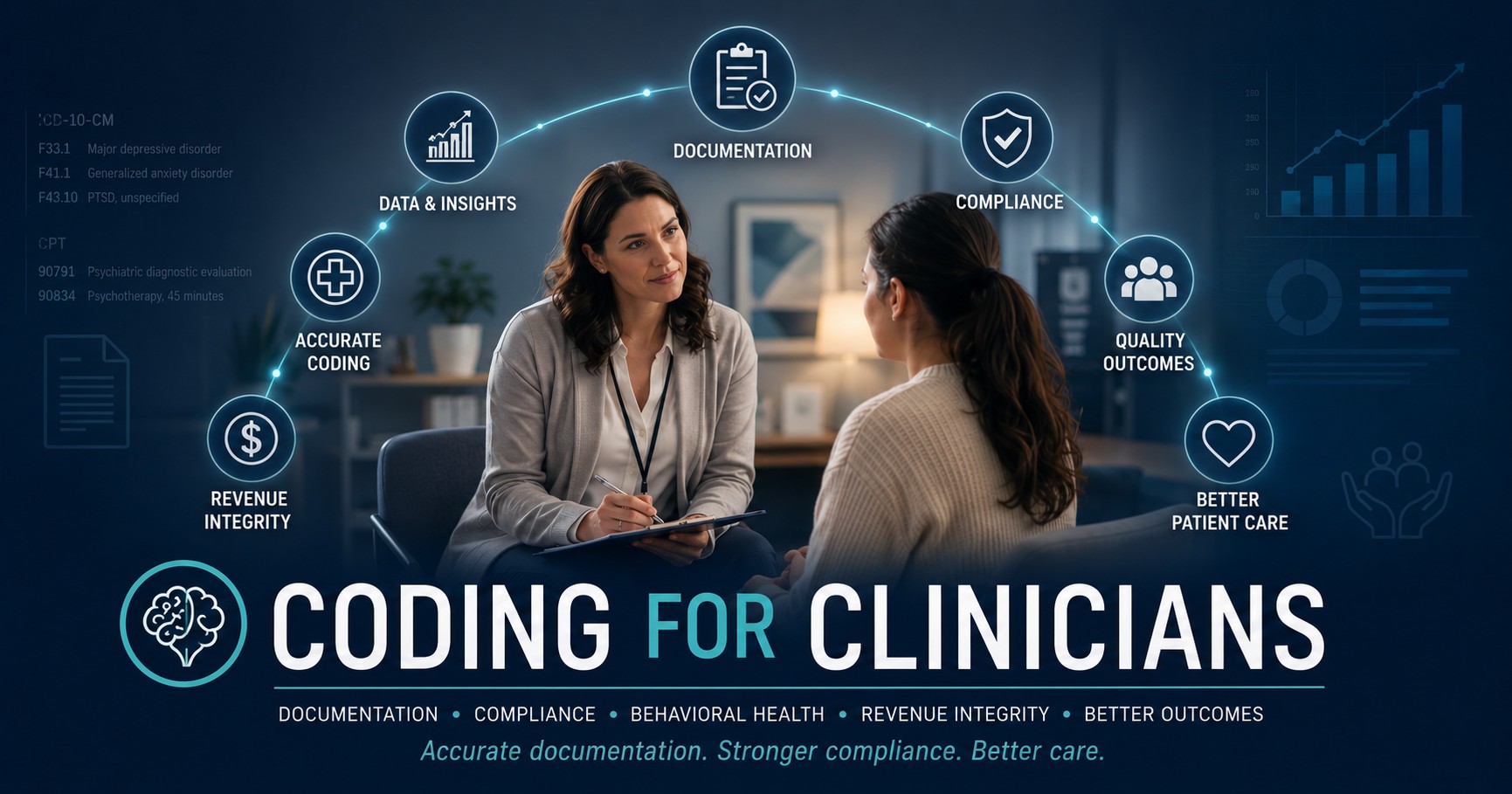
At the foundation of this shift is a culture of documentation excellence. Rather than relying on retrospective audit findings or denial trends to identify issues, organizations must move toward proactive consistency. High-quality documentation should accurately reflect clinical decision-making at the point of care. When this is achieved, coding becomes more defensible, communication across care teams improves, and downstream risk is reduced.
Equally important is alignment across providers, coding teams, and leadership. When expectations are inconsistent or communicated in silos, variability naturally increases. Providers need clear, actionable documentation guidance. Coding professionals need consistent interpretation of guidelines. Leadership must reinforce priorities and ensure accountability across the system. Alignment in these areas creates stability and reduces preventable errors.
Sustainable compliance strategies should also be embedded into daily operations rather than treated as periodic projects. Routine auditing, structured feedback loops, and focused reviews of high-risk areas help ensure that performance is continuously monitored and improved. This approach shifts compliance from reactive correction to ongoing optimization.
As coding systems and payer rules continue to evolve, staying current is essential. ICD-10-CM updates, CPT revisions, and payer-specific policy changes can quickly create gaps if not actively managed. Ongoing education ensures that teams are not only aware of changes but are consistently applying them in practice.
It is also important to remember that documentation is more than a billing requirement—it is a clinical tool. It tells the story of the patient encounter, supports medical decision-making, and ensures continuity of care across settings. When viewed through this lens, documentation quality naturally improves and becomes more meaningful to the entire care team.
Ultimately, sustaining this level of performance requires intentional investment in education, auditing, and expert support. These elements work together to reinforce best practices, identify opportunities for improvement, and translate insights into operational change.
For organizations looking to strengthen their coding culture, reduce risk, and improve overall documentation integrity, BCA’s audit, education, and consulting services provide a structured next step. Through targeted assessment and collaborative support, organizations can move from reactive compliance management to a more sustainable, proactive model of performance improvement.
Book your consultation today with one of our experts.