Many healthcare organizations are facing a familiar challenge: quality reporting expectations continue to grow while staffing shortages, competing priorities, and increasing regulatory complexity place additional strain on already stretched teams. Operational leaders are being asked to improve quality scores, support value-based care initiatives, and prepare for future reporting requirements—all while managing limited resources and evolving technology demands.
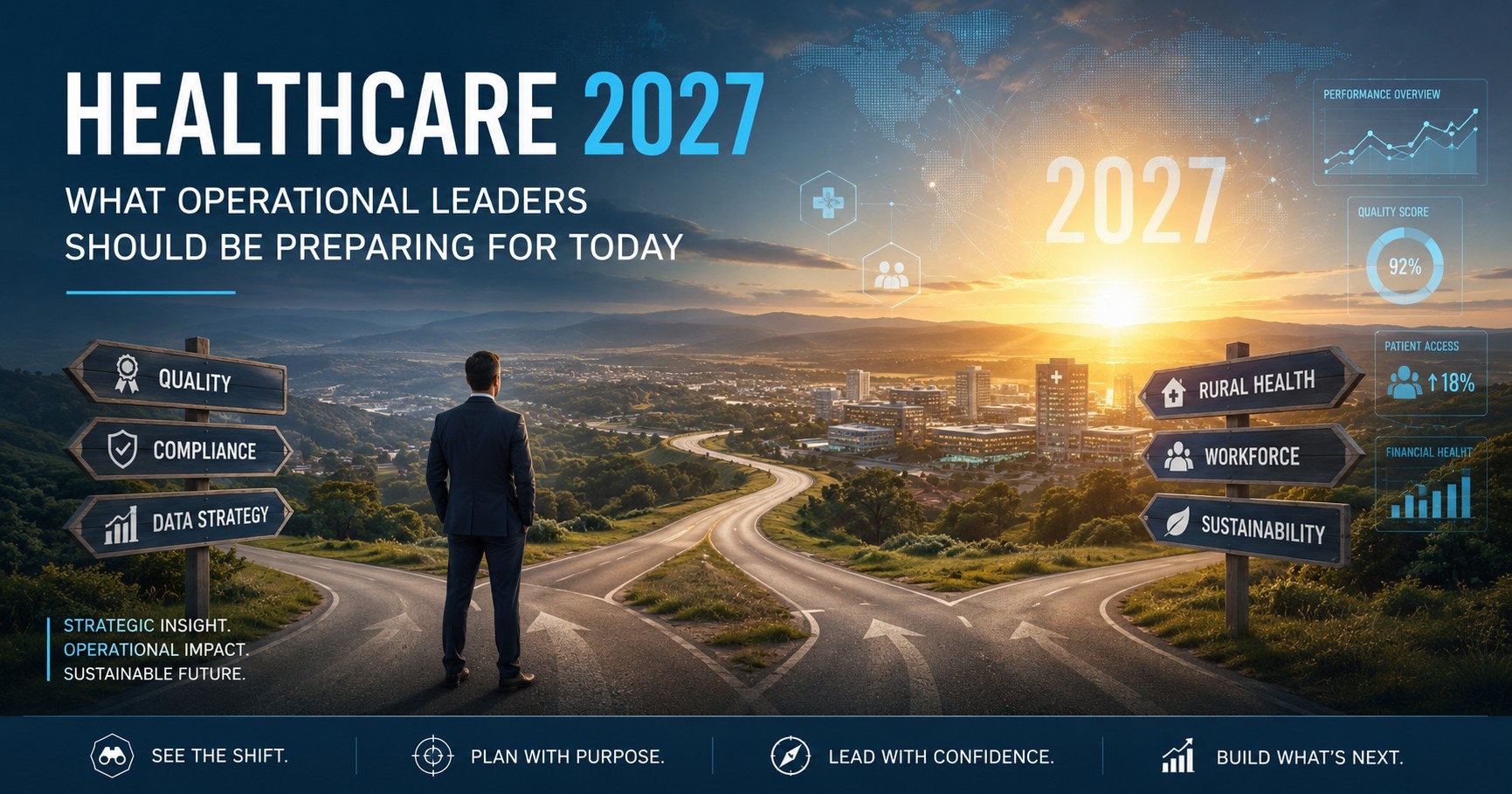
As organizations work to meet these expectations, a significant shift is occurring in how quality performance is measured. For years, HEDIS reporting relied heavily on claims data, supplemental chart reviews, and retrospective abstraction efforts. That model is rapidly changing. The National Committee for Quality Assurance (NCQA) continues expanding the use of Electronic Clinical Data Systems (ECDS) and advancing digital quality measurement initiatives, signaling a future that depends less on manual chart review and more on the quality of electronic data captured throughout the year.
The implications for healthcare organizations are substantial. Success will increasingly depend not only on delivering high-quality patient care, but also on ensuring that clinical data is captured accurately, structured appropriately, and exchanged effectively across systems.
Historically, many organizations have relied on year-end chart abstraction to identify documentation gaps before reporting deadlines. As digital measurement expands, that approach becomes less effective. Quality reporting is moving toward real-time data generated directly from electronic health records and other clinical systems. Organizations that continue to depend primarily on retrospective review processes may find it more difficult to maintain strong performance as reporting requirements evolve.
This shift also places greater emphasis on data governance. Inaccurate patient demographics, incomplete problem lists, inconsistent documentation practices, and gaps in structured data capture can all negatively impact quality measure results. In many cases, data quality issues are becoming quality performance issues.
As a result, operational leaders should consider quality reporting a cross-functional responsibility. Quality departments, clinical leaders, information technology teams, clinical informatics professionals, and revenue cycle staff all play important roles in ensuring that the data supporting performance measures is complete, accurate, and reportable.
Looking ahead, organizations that excel in HEDIS reporting may not necessarily be those delivering dramatically different care. Instead, they may be the organizations that have invested in stronger workflows, better documentation practices, improved data governance, and more effective collaboration across departments.
Now is an ideal time to assess organizational readiness for continued ECDS expansion and digital quality measurement requirements. Through focused audits, provider education, workflow assessments, and consulting services, BCA helps healthcare organizations identify documentation and data integrity opportunities that can support both quality reporting and operational performance. Organizations that begin evaluating these processes today will be better positioned for the continued evolution of quality measurement tomorrow.
Connect with an expert today.