Many safety-net providers and community-based clinics are facing mounting pressures: tighter budgets, ongoing funding uncertainty, staff shortages, and increasingly complex patient needs. In this environment, even small coding or documentation missteps can amplify compliance risk, lead to delayed reimbursement, or trigger audit scrutiny. Behavioral health services—particularly psychotherapy and psychiatric diagnostic evaluations (PDEs)—are frequent sources of confusion and risk. Understanding the distinctions between these services and how to document them correctly is essential for protecting both your organization and your patients.
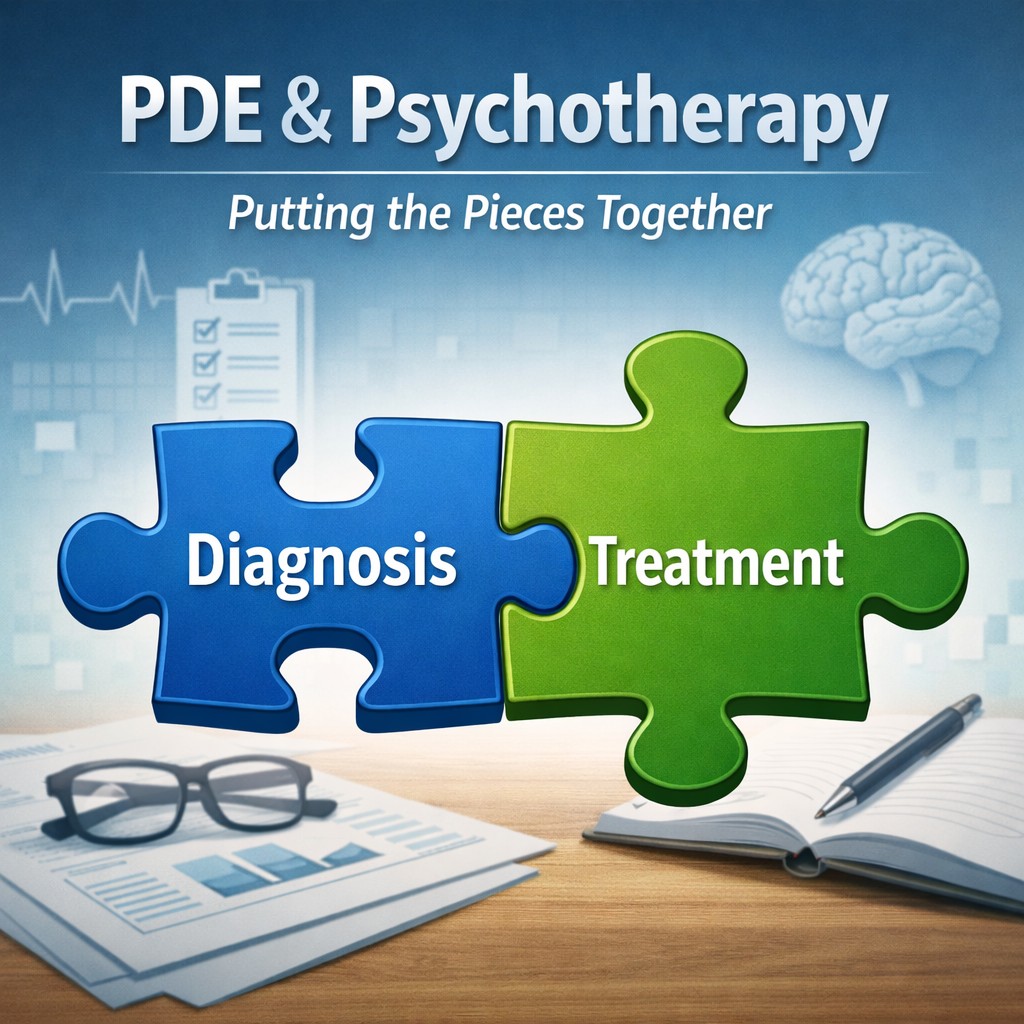
A psychiatric diagnostic evaluation represents the initial assessment of a patient’s mental health status. This service focuses on establishing or updating a diagnosis, reviewing history, and developing a treatment plan. While therapeutic conversation may occur during a PDE, the primary purpose is diagnostic, not treatment.
Psychotherapy, in contrast, is a treatment-focused, time-based service. Codes are selected based on the duration of face-to-face (or approved telehealth) therapeutic interaction and must be supported by documentation describing the therapeutic interventions used, patient response, and ongoing treatment goals. Ensuring time thresholds are met and properly documented is critical for compliance.
A common compliance risk arises when providers attempt to bill a PDE before it is fully completed. For instance, if an evaluation spans multiple sessions due to time constraints, billing the PDE on both days before the final assessment, diagnosis, and treatment plan are documented can create compliance issues. Another frequent challenge is vague or templated documentation, such as phrases like “supportive counseling provided,” which often fail to justify psychotherapy billing.
Education is key to reducing risk. Providers benefit from understanding how their documentation supports code selection, while coders and auditors must stay current on CPT guidelines and payer policies. Clear definitions, thorough documentation, and accurate coding of psychotherapy and PDE services reduce audit exposure and support high-quality behavioral health care.
For clinics looking to act on this knowledge, BCA offers audit, education, and consulting services designed to help teams apply coding rules correctly, strengthen documentation practices, and safeguard compliance. Ensuring your organization starts the year with clarity around psychotherapy and PDE services is a practical step toward reducing risk and improving operational efficiency.
Schedule a consultation with one of our experts.